Public Procurement Under Burnham: What SMEs Need to Know
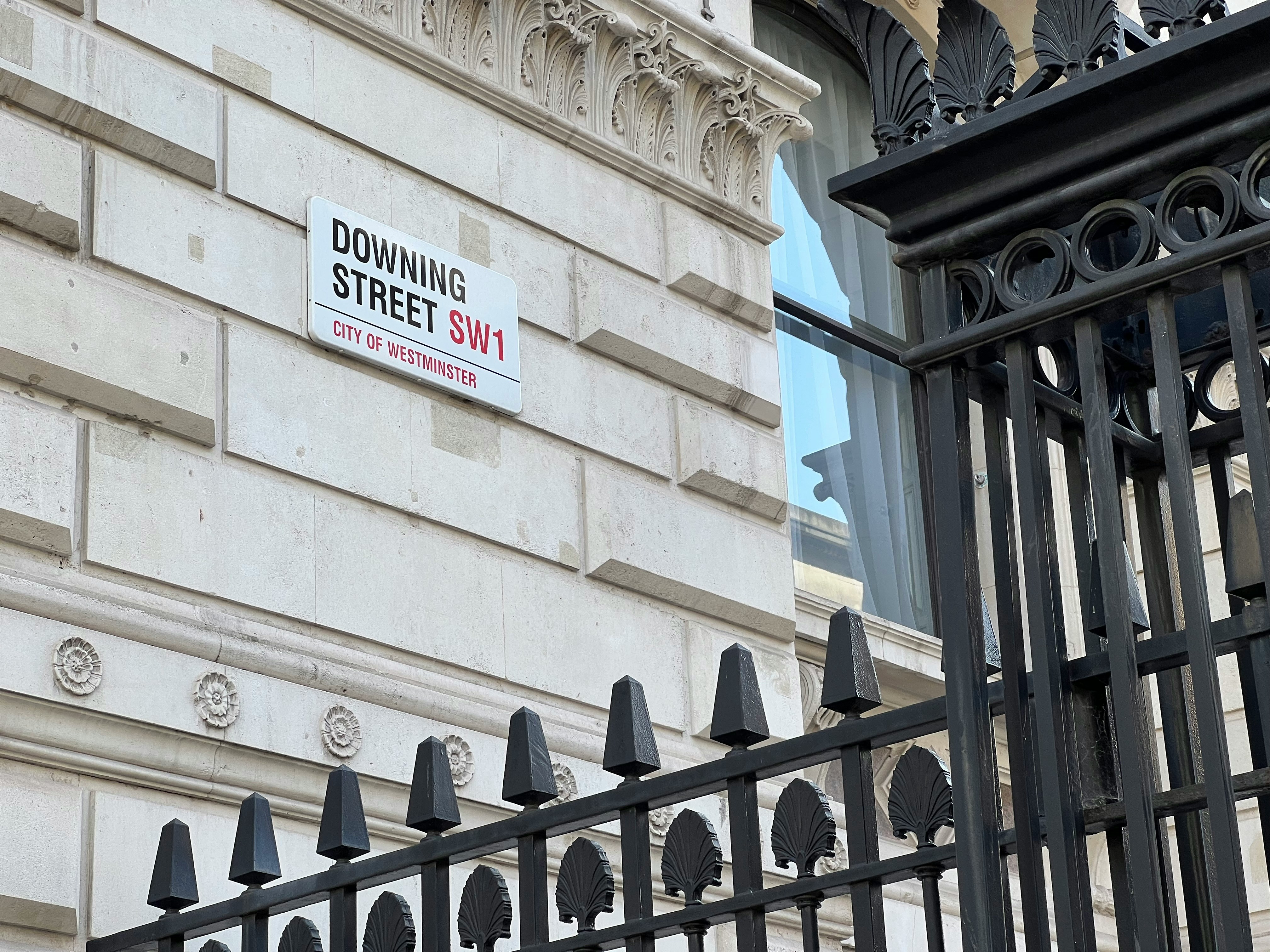
Public procurement is entering another period of change, and for SMEs looking to grow through public sector contracts, there are good reasons to pay attention.
Following Andy Burnham's arrival as Prime Minister, the early direction of the new government has placed renewed emphasis on British businesses, domestic supply chains, regional growth and using public spending to support the wider economy.
This matters because the public sector spends more than £400 billion each year buying the goods and services needed to deliver public services, infrastructure and other government priorities. Even relatively small changes to where and how that money is spent can therefore create significant opportunities for suppliers.
For SMEs, however, a more supportive policy environment does not automatically translate into contract wins.
Understanding where procurement is heading, and preparing before opportunities reach the tender stage, could be key to making the most of any changes ahead.
Why are SMEs Important to Public Procurement?
SMEs make up the overwhelming majority of UK businesses. According to government guidance, they accounted for 99.9% of the UK business population at the start of 2024, with small businesses employing fewer than 50 people alone accounting for 99.2%.
Government procurement policy already recognises the importance of giving these organisations greater access to public contracts.
The National Procurement Policy Statement (NPPS), which came into effect alongside the Procurement Act 2023 in February 2025, identifies economic growth as a strategic procurement priority. Government guidance specifically highlights strengthening supply chains and giving SMEs and voluntary, community and social enterprises (VCSEs) a fair chance at public contracts.
This direction therefore predates the Burnham government - what has changed is the political emphasis surrounding it.
Early commentary around Burnham's government has focused on a "Buying British" approach, alongside wider ambitions around reindustrialisation, devolution, skills and apprenticeships. For SMEs already operating within UK supply chains, this could make public procurement an increasingly important route to growth.
What Could a "Buying British" Approach Mean for SMEs?
The idea of using procurement to support British businesses isn't entirely new.
In March 2026, the government announced further plans to modernise public procurement, explicitly discussing the use of approximately £400 billion of annual public procurement expenditure to support British businesses and workers. The announcement also highlighted plans to reduce barriers facing small businesses, start-ups and charities.
This was followed by further government announcements focused on using procurement to strengthen national security, economic resilience and strategically important British industries. In June 2026, the government confirmed that £5 billion in contracts had been awarded to British firms since March as part of this approach.
Burnham's arrival therefore comes against an existing backdrop of procurement reform. The direction under the new government appears to be a continuation and potentially an expansion of this approach, with greater political attention being placed on British suppliers, skills, apprenticeships and regional economic development.
For SMEs, the important question isn't simply whether the government intends to "buy British". It's how those priorities eventually translate into individual procurements.
Changes could influence how contracting authorities approach areas such as supply-chain resilience, employment, skills and wider economic value. But businesses should be cautious about assuming that being a British SME will, by itself, create an advantage.
Suppliers will still need to demonstrate that they can meet the requirements of the contract and provide a competitive, evidenced tender response.
The Procurement Act Has Already Changed the Landscape
Any new procurement priorities introduced under Burnham will operate within a system that has already undergone significant reform.
The Procurement Act 2023 came into force on 24 February 2025 and was designed, in part, to create a more open and transparent procurement regime and improve opportunities for smaller businesses.
Government guidance identifies several reforms specifically intended to make public procurement more accessible to SMEs.
These include:
- A duty for contracting authorities to consider SME participation and whether barriers to participation can be removed or reduced
- Greater visibility of future public sector opportunities
- Increased use and visibility of preliminary market engagement
- Restrictions on certain barriers to SME participation, including requiring insurance to be in place before contract award in particular circumstances
- 30-day payment terms throughout public sector supply chains
- Greater transparency around contracting authorities' payment performance.
These changes are significant because some of the biggest challenges SMEs face when bidding aren't necessarily related to their ability to deliver the contract.
Time, resource and visibility can all affect whether a smaller supplier is realistically able to compete. The new regime provides businesses with more opportunities to prepare earlier.
Don't Wait for the Tender to Appear
We've spoken at length about the importance of tender preparation, but this is even more vital for bidding SMEs considering the increased visitbility of procurement pipelines.
A pipeline notice provides information about future public contract opportunities. Government guidance explicitly states that this can particularly benefit SMEs by giving them more time to plan for upcoming work and helping to create a more competitive and diverse market.
For SMEs, this changes how procurement opportunities should be approached. Rather than relying solely on live tender notices, businesses can monitor future procurement activity and identify relevant opportunities considerably earlier in the process.
A pipeline opportunity might give a business time to:
- Review its existing case studies
- Identify gaps in policies or accreditations
- Strengthen its supporting evidence
- Consider potential delivery partners
- Develop its social value commitments
- Allocate internal bid resource
- Make an informed bid/no-bid decision.
This preparation can be particularly valuable for SMEs with smaller teams, where responding to a major tender at short notice can place significant pressure on day-to-day operations.
Get Involved Before Procurement Begins
Preliminary market engagement provides another opportunity for SMEs to become involved earlier. Under the Procurement Act, preliminary market engagement takes place before the publication of a tender or transparency notice. Its purpose is to help both contracting authorities and the market prepare for an upcoming procurement.
Authorities can publish a preliminary market engagement notice inviting suppliers to participate, which gives SMEs an opportunity to engage with buyers before the final procurement has been designed. For smaller businesses, this is important.
A business may have specialist knowledge, innovative delivery methods or experience of a particular market that could be valuable to a contracting authority. Engaging early provides an opportunity to understand what buyers are trying to achieve while giving authorities greater insight into the capabilities available within their supplier market.
Waiting until the tender is published means missing this earlier stage of the procurement lifecycle.
SME Procurement Targets are Already in Place
There is also increasing pressure on central government departments to demonstrate how much they are spending with SMEs.
Procurement Policy Note 001 requires central government departments, including executive agencies and non-departmental public bodies, to establish three-year targets for direct spend with SMEs from 1 April 2025 and report their results annually.
These requirements aren't a new Burnham policy. However, the new government inherits them at a time when the role of British businesses and SMEs within public procurement is receiving renewed political attention.
This gives suppliers another reason to understand which organisations are purchasing their services and where individual contracting authorities are trying to increase SME participation.
Rather than viewing "the public sector" as one market, SMEs should consider which buyers, sectors and procurement routes are genuinely suited to their business.
Social Value Remains Vital
The conversation around British jobs, skills, apprenticeships and regional economic growth also overlaps with another established procurement priority: social value.
The government's Social Value Model for central government contracts is designed to account for additional social and economic benefits delivered through public contracts. The model was updated in 2025 to align with the government's wider missions.
For SMEs, this can create an opportunity to demonstrate the impact they already have within their communities and supply chains.
A smaller supplier may, for example, be able to demonstrate commitments around:
- Creating employment opportunities
- Apprenticeships and skills development
- Supporting local supply chains
- Working with SMEs within its own supply chain
- Providing training or work experience
- Delivering measurable benefits within the communities where a contract operates
The important word here is measurable.
Statements such as "we support local employment" or "we are committed to our community" are unlikely to demonstrate the same level of credibility as specific, contract-relevant commitments supported by clear targets, timescales and methods of measurement.
If the political emphasis on jobs, skills and domestic economic impact continues under Burnham, SMEs should consider whether they can clearly evidence the value their organisation creates beyond simply delivering the core contract.
A More SME-Friendly Market Doesn't Mean an Easier Market
Greater accessibility shouldn't be confused with reduced competition.
Changes introduced through the Procurement Act can help remove unnecessary barriers and make opportunities more visible, but SMEs still need to demonstrate that they are capable of delivering. Strong tender responses typically depend on far more than meeting basic eligibility requirements.
Businesses need evidence - that can include relevant contract examples, performance data, client outcomes, mobilisation experience, management processes, social value results and evidence demonstrating how risks will be controlled. This is where preparation becomes particularly important.
If a relevant opportunity appeared tomorrow, would your organisation already have the evidence needed to support its claims? If not, now is the time to start building it.
How Can SMEs Prepare?
The political landscape may change quickly, but the fundamentals of good bidding remain much more consistent.
For SMEs looking to take advantage of future public sector opportunities, there are several actions worth taking now.
Build an evidence library
Collect relevant case studies, KPIs, testimonials, policies, accreditations and examples of successful contract delivery. Make sure these are updated regularly rather than waiting until a tender deadline.
Monitor procurement pipelines
Look beyond live tenders and identify contracts expected to come to market in the months and years ahead.
Research your target buyers
Identify which central government departments, councils, NHS organisations, housing providers and other contracting authorities regularly procure the products or services you provide.
Participate in market engagement
Look for preliminary market engagement notices, supplier events and consultations relevant to your sector.
Strengthen your social value evidence
Record what your organisation is already delivering around employment, training, apprenticeships, supply chains and communities, and establish how future commitments will be measured.
Review your bid capability
Consider who will manage opportunities, coordinate evidence, write responses and oversee compliance when a suitable tender appears.
Be selective
Greater visibility doesn't mean every opportunity is right for your business. Strong bid/no-bid decisions allow SMEs to concentrate limited resources on contracts they have a realistic chance of winning.
Opportunity is Only Valuable if You're Ready for it
The increased political attention being placed on British businesses and public procurement is encouraging for SMEs, but it is important to distinguish political ambition from guaranteed opportunity.
The Procurement Act has already introduced measures intended to improve SME access, while government departments are now operating against specific SME procurement-spend targets. Burnham's early agenda could add further momentum to this direction, particularly if the government continues to emphasise British supply chains, regional growth, employment and skills.
For SMEs, the most effective response isn't to wait and see what happens. It's to prepare.
At Bid Writing Service, we work with SMEs across the UK to help them identify opportunities, prepare for procurement and produce stronger, evidenced tender submissions.
From individual bid writing and review support to longer-term bid management and content development, our services can be tailored to the level of support your business needs.
If you're looking to strengthen your approach to public sector tendering and prepare for upcoming opportunities, get in touch with the BWS team on info@bidwritingservice.com
You May Also Like
Explore more insights and success strategies from our experts.































































.webp)































What Our
Clients Say
See how we’ve helped SMEs across industries secure contracts and grow their success.

Syed Hasan
Accounts Manager
We engaged Bid Writing Service to support our submission for the GMC tender, aiming to drive potential growth for our business. While we are still awaiting the final outcome, we can confidently say the service has been excellent and well worth the investment. Special thanks to Jessica, Peter, and Francesca, whose professionalism, responsiveness, and attention to detail greatly contributed to the strength of our submission. Their collaborative approach and expertise made the entire process smooth and reassuring. Highly recommended for any organisation seeking expert bid support.
Office Staff
I recently had the pleasure of working with BWS on a bid, and I wanted to share my overwhelmingly positive experience. Their expertise and guidance were truly exceptional and instrumental in our success. Throughout the entire process, BWS provided unwavering support and demonstrated an impressive depth of industry knowledge. I genuinely believe their contributions were the key to our successful bid. Without hesitation, I would wholeheartedly recommend BWS and certainly plan to collaborate with them again in the future.
Andrew Hobbs
We engaged Bid Writing Service to support us in responding to a public tender opportunity. The service provided was simply exceptional. Well organised, proactive and responsive, accurate, punctual and of course very well written. This is a quality company with some really excellent client facing members of staff. Thank you Rhiannon, Francesca, Thea, Georgia and Lauren. Brilliant first impression and thoroughly recommended !!
Joseph Palmer
We've been working with Lauren and Rhiannon at Bid Writing Service for a few months now and they have been great! They are super responsive to emails and are always there to guide/support us through the process. As soon as a tender get released that matches our industry Lauren sends it straight over even if it's an evening or weekend so we have piece of mind knowing we won't miss any tenders! Thank you Lauren & Rhiannon
Ross Nicholson
Rhiannon was very switched on when it came to giving our company advice around bid writing. She produced drafts in a swift and professional manner which was important to us when the deadline was approaching fast.
Vanessa Varoujian
Incredibly professional, responsive and dedicated. Great to have a team who take the time to get to know the business and our ethos, and understand the pressures of tender and bid writing for a small organisation.
Vinceo Ferlita
Crown ices Ltd.
One of the best companies we have worked with. From our first conversation to the completed work. Always on hand for any questions we had, very knowledgeable and timely. Would use again and would highly recommend. Thank you for your hard work and such excellent service. Crown ices Ltd.
James Barber
I can not recommend BWS highly enough. Our first call with Luke was professional and built an immediate trust in the business. Lauren then took on our project at short notice with a 48 hour turn around time. She went above and beyond to ensure it was completed on time. We are now going to have a conversation about building a bid library and them becoming our exclusive supplier.
Chris C
Lauren from BWS went above and beyond to support us with our tender on extremely short notice. Her dedication, professionalism, and willingness to assist at all hours were second to none. Lauren's expertise and responsiveness made what could have been a stressful process smooth and efficient. I cannot recommend her highly enough for anyone needing reliable and high-quality support.
GMS SERVICES LTD
We have used BWS to assist with our bid writing services. Not only does this provide us with vital resources when there are multiple tenders we want to bid for, it also provides a quality bid which is written by engaging bid writers who are interested in our business and helping us succeed. They become a part of our business. We would highly recommend their services and many thanks to George Flower who has delivered a brilliant service for us.
Andrea Gascoigne
Recently won a nice project with the help of BWS, found them easy to work with and will use again.
Barry Chapman
We used this company as part of our growth strategy, in that they, and I mean Lauren Moorhouse as their lead, created from scratch a comprehensive Bid Library. This is an excellent process to begin this new phase of our development, to gain more work and raising our branding profile. The whole system, was great to see how it grew into the formidable tool that it is, which we now have at our disposal, with an increase in our confidence to bolster our turnover.
B&E Boys
We employed BWS to assist with our bid writing and knowledge management resources. The team were always very professional and flexible in working around our schedules whilst maintaining agreed deadlines. We would recommend BWS to others who are looking for a ‘fresh set of eyes’ on any business development material. We will be working with BWS in the future.
Matt Webb
We engaged with BWS to assist with a bid on a civils project and were very pleased with the work they delivered. There was always clear communication and documents were produced within the agreed timeframes and cost. Being the first time working with a bid writing company they immediately put as at ease and gave us confidence that our submission was as strong as possible which gave us the best chance. Thanks to all the team at BWS!
Nick Heath
Compass Fuel
We dived into the world of tenders, and Lauren made the process fairly simple for novices like ourselves. Wouldnt hesitate to use their services again. Nick Heath - Compass Fuel
Josh Lownsborough
Working with Kyle has been a pleasure , He has been working weekends and evenings to get the job ready in time, His responses are superb and he is a real professional at his job. I hope we win the contract and I will certainly use Kyle again in the future
Matt
My organisation has only recently started working with BWS and we have already seen a win! The team are always professional and work around my schedule. We will continue to work with BWS for future bids, thanks BWS team!
Tracey Gordon
Excellent, efficient and professional service from Lauren & Rhiannon. Would 100% recommend and will definitely use again.
James Bell
Great service. Quick turnaround and well written bid. Fingers crossed for a successful tender outcome.
Chris Davy
We used BWS and found them very quick and efficient, well worth using and will do again
Anele Griessel
Rhiannon was friendly, listened, and clarified our questions. Thank you very much
Mirela Stefan